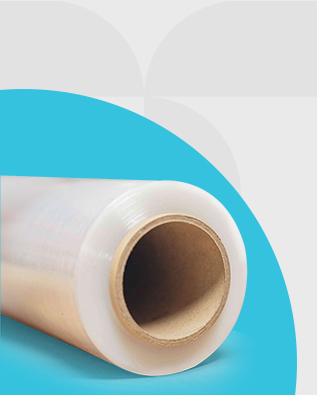
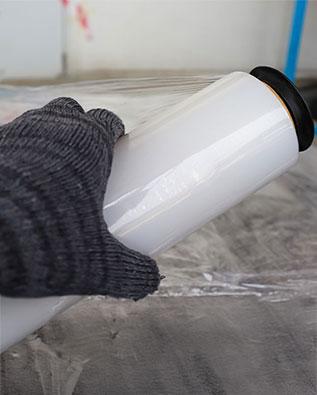
Dayrah-PE®: Smarter Packaging for a Sustainable Future


In logistics and packaging, efficiency is no longer just about speed — it’s about sustainability, responsibility, and smarter practices. Businesses today face the challenge of protecting products while also reducing their environmental footprint.

This is where Triomada’s Dayrah-PE® makes a real difference.


Packaging as a Strategic Advantage

Packaging is often seen as a routine necessity. But in reality, it plays a critical role in advancing sustainability by:

1. Reducing material waste
2. Lowering environmental impact across the supply chain
3. Supporting global and corporate ESG goals

Dayrah-PE® is designed with this broader perspective in mind, helping businesses achieve efficiency while prioritizing the planet.


Sustainability That Delivers More

With Dayrah-PE®, sustainability goes beyond performance — it’s built into the material itself. Formulated with 30–70% Post-Industrial Recycled (PIR) content, Dayrah-PE® helps businesses reduce their environmental footprint without compromising on strength or stability. Its optimized film design ensures efficient usage, while stable, secure loads minimize damage and waste — delivering real sustainability benefits at every stage of the supply
chain.


Ready for Tomorrow’s Supply Chain

As industries transition towards responsible and future-ready supply chains, Dayrah-PE® helps businesses align with global sustainability targets — ensuring packaging strength today while safeguarding resources for tomorrow.


At Triomada

Innovation should not just serve business performance — it should serve the planet. With Dayrah-PE®, Triomada is proud to enable packaging solutions that protect products, preserve resources, and promote a sustainable future.

The Wrapping Gap How Small Mistakes Lead to Big Losses

In logistics and packaging, efficiency is everything. However, many businesses quietly drain profits due to small repeated mistakes during pallet wrapping. We call this “The Wrapping Gap”.


What is the Wrapping Gap?

It’s the hidden layer of inefficiencies caused by micro-errors in wrapping processes, such as:

 1. Incorrect tension settings

2. Overlap inconsistencies

3. Ignoring pre-stretch parameters

While these mistakes might seem minor per pallet, over thousands of loads shipped annually, they create significant ripple effects — from higher material costs to damaged goods and compromised load stability.


The Hidden Cost of Small Errors

1. Up to 10–15% more film waste due to poor tension and overlap practices.

2. Increased load instability, leading to product damage or shipment rejections.

3. Higher labor time from re-wrapping or corrective measures.

When added up, these “invisible” losses can cost businesses thousands in a single quarter.


Closing the Gap with Triomada


At Triomada, we don’t just provide stretch film — we provide process intelligence. Through:

1. Tailored training modules for your operators

2. On-site operational assessments to identify inefficiencies

3. Optimized film selection matched to your machines and loads

Our approach ensures you’re not just wrapping pallets — you’re ensuring product safety while cutting hidden costs.


Why It Matters Now More Than Ever

With rising logistics costs and tighter margins, every meter of film counts. Reducing even a 2 3% inefficiency in wrapping can deliver substantial annual savings without increasing your operational complexity.

Ready to bridge your Wrapping Gap?

Let’s start with a quick audit of your current process. Reach out at sales@triomada.com

Why Puncture-Resistant Stretch Film Is Your Load’s First Line of Defence

When it comes to stretch film, strength isn’t just a laboratory metric — it’s your frontline defence in the unpredictable world of logistics. One of the most critical factors that determines whether a wrapped load arrives safely is puncture resistance.

At Triomada, we believe that real performance begins with real protection — and puncture resistance plays a vital role in safeguarding your shipments.


What Is Puncture Resistance?

Puncture resistance refers to a film’s ability to withstand sharp forces or sudden impacts without tearing. This property is especially crucial when dealing with:

1. Sharp pallet corners

2. Metal or irregular-shaped products

3. Rough handling during forklift loading/unloading

4. Sudden load shifts during transit

Without robust puncture resistance, a small tear can quickly escalate into film failure, leading to load instability and, ultimately, damaged goods.


Real-World Scenarios Where Puncture Resistance Matters

1. Forklift Contact: A careless bump with a forklift tine can tear through low-resistance film, compromising the entire pallet.

2. Stacking Errors: Misaligned boxes or sharp-edged cartons can push through the film under load pressure.

3. Outdoor or Export Shipping: Wind or jostling during container loading creates sudden stress points on the film surface.

In all these situations, the film isn’t just a wrap — it’s the critical barrier protecting your products from potential loss.


How Triomada Ensures High Puncture Performance?

At Triomada, every batch of film undergoes rigorous testing to guarantee puncture resistance, including:

1. Dynamic Impact Testing: Simulating various load and stretch conditions to evaluate impact resilience.

2. Edge and Corner Resistance Analysis: Assessing how well the film withstands sharp corners and edges.

3. Field Simulations: Mimicking real-world transport and handling stressors to ensure performance on the warehouse floor, in transit, and at delivery.

We don’t just rely on test numbers; we evaluate how our films perform in actual supply chain environments.


Why Puncture Resistance Matters to You

When your stretch film is built with puncture resistance in mind, you benefit in multiple ways:

1. Reduced Product Damage: Pallets arrive intact, minimising losses.

2. Faster, Smoother Wrapping: Less rewrapping and fewer roll breakages save time and effort.

3. Enhanced Safety: Prevents pallet collapse and reduces risks to workers handling the loads.

4. Strengthened Brand Trust: Consistently delivering products in perfect condition boosts your reputation.

Beyond the Wrap: 6 Key Properties That Define a High-Performance Stretch Film

In the world of logistics, warehousing, and global supply chains, stretch film is often seen as a routine packaging material — a silent player in a much larger system. But at Triomada Plastic International Co., we understand that the true performance of stretch film is anything but ordinary.

Stretch film is the final layer of protection your product receives before it enters transit. It must perform under a range of conditions: compression, vibration, temperature shifts, and unpredictable handling. The science behind a reliable stretch film lies in its ability to maintain integrity under pressure consistently, across loads, geographies, and climates.

Let’s break down the six key properties that distinguish high-performance stretch films from conventional ones — and why they matter to your operations:

1. Puncture Resistance

One sharp corner. One exposed edge. That’s all it takes for a standard film to fail.

Puncture resistance refers to the film’s ability to withstand localised stress from irregularly shaped loads or external impacts during transit. A film that tears under pressure puts the entire shipment at risk. Triomada’s high-grade films are engineered to resist punctures even under dynamic forces, keeping your load secure and preventing contamination, product damage, or re-wrapping delays.

2. Cling Control

Effective cling control ensures film layers adhere to each other — not to machinery, pallets, or neighboring loads.

Too little cling compromises load stability. Too many results in the film adhering to machinery, neighbouring pallets, or collecting dust, creating inefficiencies and product risks. Triomada’s films feature precision-engineered cling layers, ensuring strong interlayer adhesion without external cling. This optimises wrapping speed and security while maintaining cleanliness and reducing film waste.

3. Tensile Strength

This is the measure of how much force the film can withstand before breaking.

High tensile strength enables the film to be stretched without tearing — a crucial factor during high-speed machine application and tight load wrapping. With stronger films, you can use thinner gauges without sacrificing security, helping reduce material consumption and supporting your sustainability goals.

4. Elongation

Stretch films don’t just wrap — they adapt.

Elongation is the film’s ability to stretch before it reaches its breaking point. Higher elongation means the film can conform to different load shapes, accommodate sharp angles, and absorb movement during transit.

Triomada’s films are designed for maximum elongation with memory, ensuring they rebound with tension and hold loads firmly in place.

5. Load Retention

Initial tension isn’t enough — what matters is how long that tension lasts.

Load retention measures a film’s ability to maintain its tightness around a pallet long after it’s wrapped. As materials settle during storage or transportation, poorly retained films loosen, causing instability or even product collapse.

Triomada’s stretch films are tested for long-term retention performance — holding loads tightly over days, weeks, or long-haul journeys.

6. Tear Resistance

A small tear shouldn’t mean a total failure.

Tear resistance ensures that even when a film encounters minor damage, it doesn’t spiral into a complete rupture. This is especially important for high-friction or rugged industrial applications.

Triomada’s multilayer films are engineered to localise damage, maintaining wrap integrity even in demanding environments.

Why These Properties Matter

Each of these performance metrics contributes to real-world outcomes:

 1. Reduced returns due to better protection

2. Lower film consumption through downgauging and strengthening

3. Faster operations with fewer wrapping issues

4. Improved sustainability by eliminating overwrap and preventing product loss

At Triomada, we don’t view these as features — we view them as non-negotiables. Every roll of film is tested in our labs under simulated transport conditions, ensuring consistent quality for every customer, in every region.
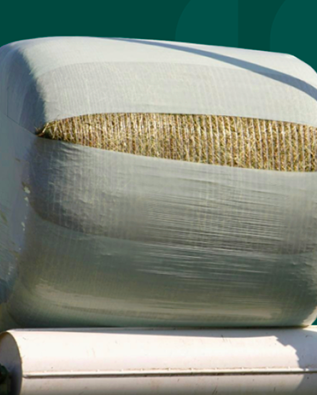
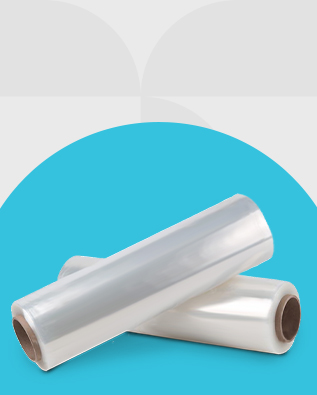
The Science of Stretch: How Film Thickness & Pre-Stretch Impact Load Stability and Cost Efficiency

In the world of packaging and logistics, stretch film might seem like a humble material—transparent, disposable, and often overlooked. But behind every stable pallet and successful delivery, is a careful science of engineering the right film for the job.

Understanding how film thickness and pre-stretch performance affect your bottom line isn’t just good practice—it’s smart business. It’s the difference between waste and efficiency, damage and delivery, trial and precision.

Thicker Isn’t Always Smarter

Let’s start with the obvious: film thickness. Measured in microns (or gauge), thickness affects how resistant a film is to punctures and tears. Many businesses assume that a thicker film equals better protection. But in reality, thickness without performance is just added weight.

A 23-micron film that isn’t optimised for your pallet load may cost more and perform worse than a well-engineered 17-micron film with better elasticity and memory. This is where the conversation shifts from just thickness to smart load analysis, tension control, and stretch consistency.

Stretch More, Spend Less

Pre-stretch is where things get even more interesting. It refers to how much a film can be elongated before it’s applied to the pallet—usually done by a stretch wrapping machine.

For example, a pre-stretch ratio of 250% means that 1 meter of film becomes 3.5 meters once stretched. This increases surface coverage without using more raw material and also enhances the film’s ability to hold the load together under pressure.

What does that mean in real-world terms?

Less film is used per pallet. Fewer roll changes. Lower plastic consumption. And better performance during transit.

The key takeaway: a highly pre-stretchable film doesn’t just wrap—it works harder.

More Than a Wrap—It’s a Safety Net

The most important factor in selecting stretch film is load stability. Your film needs to secure everything from fragile glassware to industrial components across hundreds or thousands of kilometres.

If the film is too thin and lacks holding force, the load shifts. If it’s too thick and over-applied, you’re paying more in material and labour.

The “right” film matches:

 1. Your load weight and shape

2. Type of goods (fragile, sharp-edged, etc.)

3. Handling method (manual or machine)

4. Environmental conditions (humidity, temperature)

5. This isn’t guesswork—it’s engineering.

Efficiency = Savings + Safety

Optimising your film choice means saving on both cost and consequence. Businesses that switch from a thick, over-applied film to a thinner, performance-driven one can reduce film consumption by 20–30%, lower downtime, and improve throughput.

Consider this: A company wrapping 500 pallets a day improved wrap efficiency and reduced material usage by switching to a thinner, high-performance stretch film, without compromising load safety.

The shift wasn’t about cutting corners—it was about elevating standards.

Conclusion: Wrap with Intelligence

Packaging is no longer an afterthought. In today’s high-speed supply chains, it’s a frontline defence for safety, sustainability, and savings.

At Triomada, the future of packaging lies in engineered performance, not guesswork. By understanding the science behind film thickness and pre-stretch, you don’t just protect your products—you optimise your operations.

Let’s help you match your load with the right film. Reach out to our technical team to explore solutions tailored to your workflow and machinery.

Discover how our Elongation at Break Test ensures top-notch performance and reliability

Understanding Elongation at Break: A Key Indicator for Stretch Film Quality

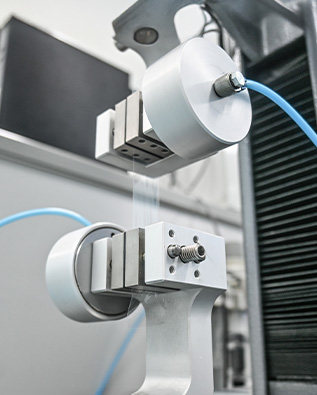
The Elongation at Break Test is a critical assessment method used to evaluate the stretchability and durability of stretch films. This test measures the maximum elongation a film can achieve before it breaks, providing manufacturers and users with essential insights into the film’s performance characteristics. At Triomada, we prioritize this test to ensure our stretch films are not only strong but also flexible enough to adapt to various packaging needs. By adhering to the Elongation at Break Test standards, we guarantee our films deliver the elasticity and strength required to protect your goods effectively.

Key Benefits of the Elongation at Break Test for Stretch Films

1. Reliable Performance Assurance: Conducting the Elongation at Break Test ensures that every batch of film meets strict performance criteria, providing consistent quality and reliability in all applications.

2. Enhanced Durability and Flexibility: Stretch films with high elongation at break can stretch significantly without tearing, allowing them to conform tightly to products and reducing the risk of damage during transport.

3. Optimized Material Efficiency: Films that exhibit superior elongation capabilities can cover more surface area with less material. This efficiency leads to cost savings while ensuring strong protection for your products.

4. Adaptability to Varied Applications: High elongation stretch films can accommodate different load shapes and sizes, ensuring effective wrapping solutions for diverse packaging challenges.

5. Support for Automation: Many modern wrapping machines rely on films that can withstand stretching without breaking. The Elongation at Break Test validates a film’s compatibility with automated processes, minimizing downtime and enhancing productivity.

Real-World Advantages of the Elongation at Break Test

  • Improved Load Protection: A stretch film that maintains integrity under tension significantly enhances load protection, ensuring that products arrive safely at their destination without the risk of shifting or breakage.
  • Reduction in Waste: High-performing films that stretch effectively contribute to reduced material waste, making your packaging process more sustainable and economically sound.
  • Minimized Operational Interruptions: Stretch films that pass the Elongation at Break Test experience fewer breakages during application, resulting in smoother operations and decreased interruptions in the production line.
  • Increased Safety for Handlers: Films that are robust yet flexible enhance safety during handling, reducing the likelihood of accidents caused by unstable or improperly secured loads.
  • Alignment with Industry Standards: By ensuring our films undergo rigorous testing, Triomada reinforces its commitment to meeting and exceeding industry standards, thereby providing customers with dependable solutions.

Commitment to Excellence: Triomada’s Gold Star Quality Assurance Standards

At Triomada, we are dedicated to producing the highest quality stretch films that surpass industry benchmarks. We rigorously implement the Elongation at Break Test along with other essential testing protocols to maintain quality consistency across every production batch. Additionally, we hold esteemed certifications including ISO 9001:2015, SASO, and AENOR, which affirm our dedication to product excellence and environmental sustainability. By ensuring our stretch films perform optimally, we provide secure, durable, and economical wrapping solutions that meet your shipping and packaging requirements. Trust in Triomada for stretch films that align with global quality standards.

Contact us today at sales@triomada.com to discover how we can fulfill your packaging needs!

Mastering Stretch Film Performance: The Rigorous Stretch Test Standard You Need to Know

The Stretch Test Standard is a method for assessing the performance and quality of stretch films, focusing on their ability to stretch, maintain tension, and ensure secure containment for pallet loads and wrapped goods. Manufacturers use this test to evaluate the quality of their stretch films. At Triomada, we implement the Stretch Test Standard to ensure our stretch films consistently deliver superior performance. This rigorous assessment allows us to verify that our films meet the highest standards for durability, tension retention, and secure containment, ensuring they exceed the demands of your wrapping & packaging needs.

Key Benefits of Stretch Test Standard for stretch films

  1. Assurance of Product Quality and Consistency: Stretch testing guarantees that each batch of film meets performance standards, ensuring consistency across production runs. This reliability gives you confidence that the stretch film will perform as expected every time.
  2. Enhanced Load Stability and Safety: A properly tested stretch film provides optimal containment force, keeping your pallet loads secure during transit or storage. This minimizes the risk of load shifting, reducing accidents and product damage.
  3. Cost Savings and Efficiency: Tested films stretch to their maximum potential without breaking, allowing you to use less film per pallet while achieving the same or better containment. This optimization leads to cost savings over time.
  4. Reduced Environmental Impact: By using DAYRAH-PE, our PIR stretch film that has been tested for efficiency, you minimize waste and contribute to a more sustainable packaging process. Films made with post-industrial recycled (PIR) materials further enhance your sustainability efforts.
  5. Improved Performance in Different Conditions: Tested films are proven to work under varying environmental conditions, such as temperature and humidity, ensuring reliable protection during transport or long-term storage.

Real-World Advantages of Adhering to the Stretch Test Standard

  1. Optimized Material Usage: Stretch testing helps manufacturers determine the optimal thickness and stretchability of the film. As a result, less material is needed to secure loads, making the wrapping process more efficient and cost-effective.
  2. Better Load Containment: The tested containment force ensures that the film wraps tightly around goods, even when loads are irregularly shaped. This tight wrap is critical for maintaining load stability during transportation, which reduces the risk of goods shifting, falling, or becoming damaged.
  3. Reduces Downtime: By using a stretch film that has been rigorously tested for performance, there is less chance of film breakage or tearing during the wrapping process, which means fewer stoppages on the production line.
  4. Improved Safety: Properly tested stretch film ensures that heavy or unstable loads are tightly secured, reducing the chances of accidents during loading, unloading, or transport. A safer environment for workers handling these loads is thus created.
  5. Supports Automation: Many stretch films are used in automatic, semi-automatic wrapping machines. Stretch testing ensures that the film can perform well in these machines, reducing the chances of machine jams or other issues that could cause delays or require human intervention.

Commitment to Excellence: Triomada’s Gold Star Quality Assurance Standards

At Triomada, we are committed to delivering the highest quality stretch films that meet and exceed industry expectations. We follow the Stretch Test Standard along with other testing standards to ensure consistent quality across every batch. In addition, we hold ISO 9001:2015, SASO and AENOR certifications, reflecting our commitment to both product excellence and environmental responsibility. Ultimately, ensuring that our stretch films perform as intended, providing a secure, durable, and economical solution for product wrapping and shipment, thus making them indispensable. By choosing Triomada, you’re assured of stretch films that are not only high-performing but also aligned with global quality and excellence standards.

Contact us today at sales@triomada.com to explore how Triomada can meet your needs!

AR